

Responsive Design For Mobile Users – A Trend That Most Miss

With more people using the internet via smartphones, having a website with a responsive design for mobile devices has become standard for almost every business looking to expand its online presence. Even though responsive design and seo websites are being developed and optimized for mobile devices, there are businesses whose company websites still fail to provide a user-friendly mobile viewing experience for their customers.
And what happens to those businesses in the long run? They lose traffic, miss out on the latest trends and eventually become less successful. If your website isn’t optimized or has a responsive design, we explain why you must switch to developing websites with responsive mobile design and why certain businesses miss out on this trend, let’s get started.
Importance of Responsive website design
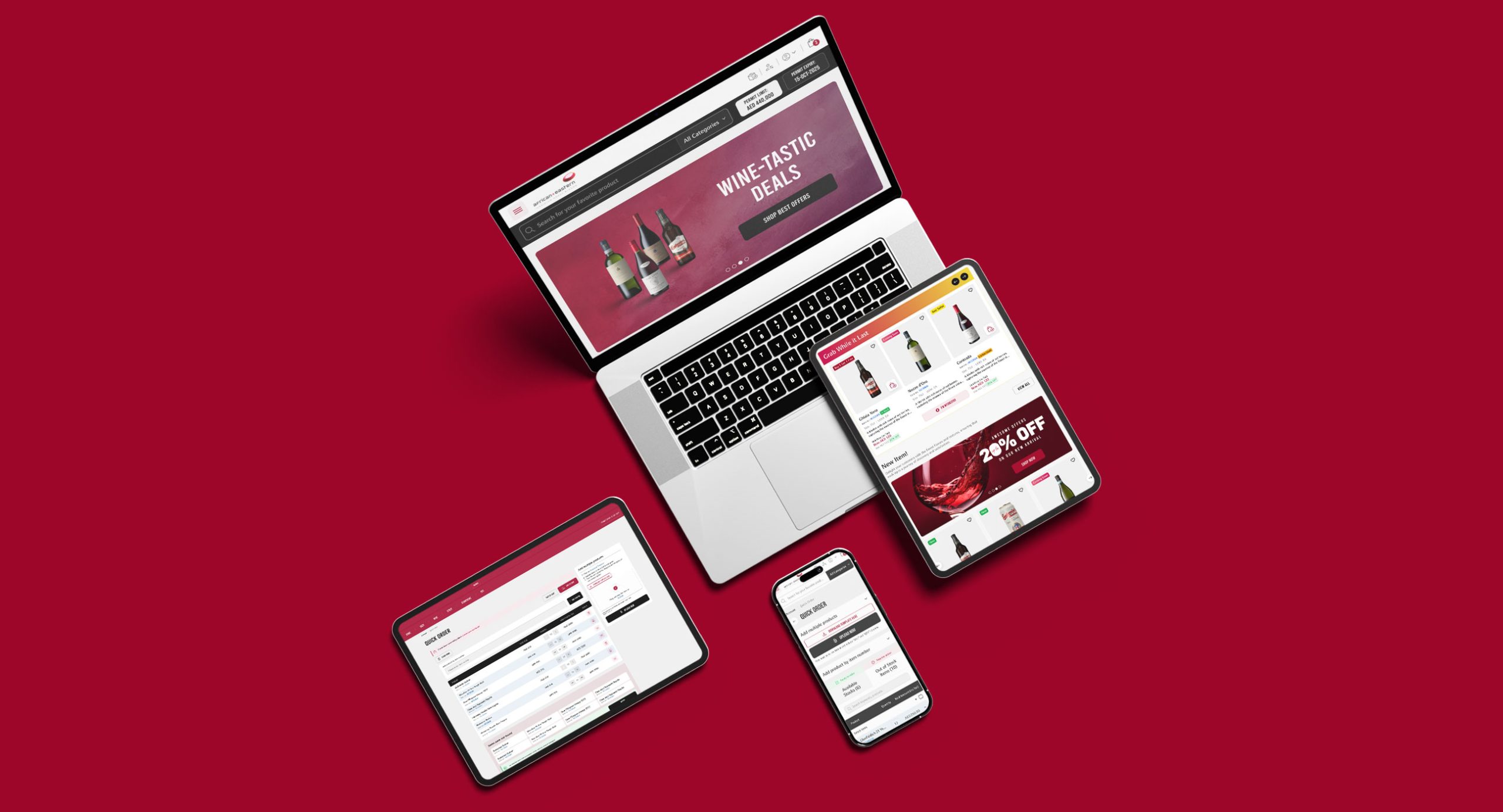
The goal of responsive design and The goal of responsive design is to provide an optimal viewing experience across devices, aligning with Google’s documentation on responsive websites and mobile-first indexing. These websites achieve this result by adjusting their layout and content as per the size of the screen the content is displayed. Regardless of the device customers use, they can easily navigate and interact with the site
We know that mobile devices have become our primary means of communication, browsing the internet and more. In case you missed out, there are 4.32 billion mobile internet users globally, according to global mobile internet usage statistics published by Statista in October 2025. This means that roughly half of the website traffic comes from mobile devices. Therefore, if your website doesn’t have a responsive design for mobile, you are missing out on a significant portion of your customers.

Why do most websites miss this trend?
Despite the growing popularity of responsive mobile design websites, many brands’ websites are missing out on this accessible feature and it has become a trend. What is the reason behind this? The thing is that mobile devices come in different screen sizes and customers have different requirements for websites when compared to desktop users. Easy navigation, faster loading, and presentation of information clearly and concisely are some of the most preferred needs. All these can be met with a website having a responsive design for mobile. But, there are some reasons why this trend is being missed, let’s check them out.
Lack of knowledge
Certain business owners may lack technical knowledge or understanding of responsive design best practice. For them, having a desktop website is sufficient without realizing that they are missing out on huge traffic in the long run.
Insufficient resources
Not every business or firm may have the resources needed to develop a responsive website. The primary reason behind insufficient resources is mostly budget. Due to this, business owners settle for a company website optimized for desktops only.
Prioritizing aesthetics over functionality
A visually stunning website is essential for your brand’s success but instead of just design, the whole website has to be user-friendly and optimized for mobile users if you want to achieve overall success and web traffic.
Building a responsive mobile design website
So, you decided to develop a mobile-friendly website on your own? Before you get started, you must know the two crucial factors that must be considered when developing websites with responsive web design which are Breakpoints & Visual content. By hiring our renowned website development services, you don’t have to worry about anything at all as our team will take care of everything.
Breakpoints are the “points” at which the particular website’s content will adapt to provide the best possible experience to the user. These points must be identified during the designing phase. Usually, three breakpoints are considered which are Smartphone/Mobile, Tablet and Desktop. Coming to visual content, include graphics such as images, videos, GIFs, etc. Since visuals can take a long time to load on mobile devices, they must be compressed and optimized for faster loading.
Best Practices for Responsive Mobile Websites
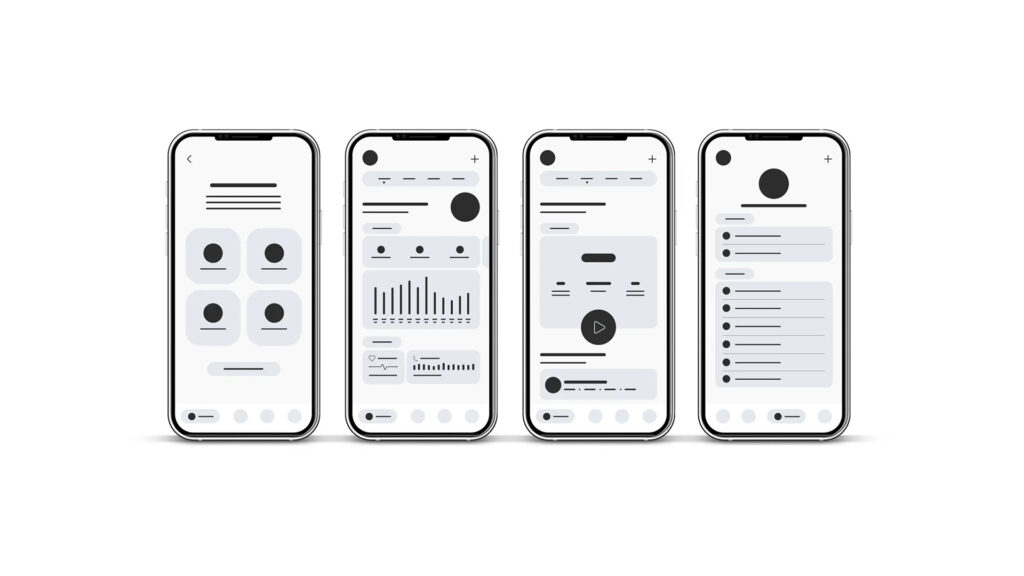
Mobile-First Design Approach
Well, if you want your website to be optimized for mobile, implementing a mobile-first design approach is a widely recommended practice in modern web development, as explained in Google’s mobile-first design guidelines. In this procedure, you start with the smallest screen size and then scale up to your largest screen. Consulting the services of a renowned web development team will prove helpful.
Use Scalar Vector Graphics
It is wise to choose Scalar Vector Graphics or SVG instead of raster graphics, especially for icons and logos. The thing about SVGs is that they can modify their resolution based on image paths thereby maintaining their visual quality on any screen size, unlike raster graphics.
Focus on a minimal approach
Like responsive websites, minimalist web designs are now highly preferred by various businesses. Implementing a minimal approach involves placement of less content thereby reducing cluttering and making it easier for users to read and understand the brand’s service clearly. Apart from the content, a minimalist UI design for your brand website makes it easier to create consistency across multiple devices having different screen sizes.
Prioritize & Hide Content Appropriately
The thing about mobile devices is that the amount of space available is limited. Therefore, when designing responsive mobile websites, you must decide which web content must be always visible and hidden. Using a navigation drawer can prove beneficial in this case.

Research Your Competitors
Want to learn the latest web design trends and stay ahead of the game? See what your competitors are doing. If you’re designing an eCommerce website, checking out the website of similar competitors and the strategies implemented by them will give you a brief idea. If they can come up with a responsive mobile design with their resources, what’s stopping you?
Conclusion
When it comes to performance improvement modules, lazy loading assumes a controversial approach. If there is a lot of imaginary inline on your site, it is a perfect opportunity to cut down on unnecessary downloads. The project stakeholders and the site users will appreciate it. Responsive design for mobile users is a highly preferred trend adopted by many businesses but often missed by a few. In today’s digital scenario, it is crucial to have a responsive mobile website to stay relevant and competitive. By developing such one, you can provide the best user experience for customers having multiple mobile devices, thereby increasing brand awareness. So, if you haven’t started it yet, connect with GTECH where we will build the best one that suits your brand well.
FAQs: Responsive Design For Mobile Users
What is responsive design for mobile devices?
Responsive design for mobile is an approach where a website’s layout, images, and content automatically adjust to fit the screen size of the device being used. This ensures that whether a user is on a smartphone or a tablet, the interface remains readable and easy to navigate without manual zooming.
How to make a website responsive in mobile?
To achieve a responsive mobile design, developers use a fluid grid system based on percentages rather than fixed pixels. By applying CSS media queries, the site can detect the user’s screen width and rearrange elements—like stacking columns or resizing fonts—to provide an optimal viewing experience.
What is the connection between responsive design and SEO?
There is a direct link between responsive design and SEO because Google uses mobile-first indexing. This means search engines primarily crawl the mobile version of your site to determine rankings. A responsive site prevents duplicate content issues and ensures your web design dubai efforts contribute to higher search visibility.
How to make mobile apps responsive?
Making apps responsive involves using flexible layouts and “Auto Layout” features in design tools like Figma. For web-based apps, responsive web design for mobile users is implemented through flexible containers and scalable vector graphics (SVGs), which maintain clarity across various resolutions and orientations.
What is responsive web design in mobile marketing?
In mobile marketing, responsive web design for mobile users ensures that landing pages from ads or social media load perfectly for every visitor. Consistency across devices builds trust, reduces bounce rates, and ensures that marketing campaigns lead to higher conversion rates regardless of the user’s hardware.
How to make a website responsive for all devices?
The most effective mobile responsive design practice is to use a “Mobile-First” approach. By designing for the smallest screens first and scaling up with media queries, you ensure that the core content is prioritized. Working with a professional website development agency can help implement these complex breakpoints seamlessly.
What are responsive design best practices for images?
A key responsive design best practice is using the srcset attribute for images. This allows the browser to choose the appropriately sized image file based on the device’s resolution, saving bandwidth and improving load times while maintaining high visual quality on Retina or 4K displays.
Why is a minimalist approach better for responsive design?
Implementing a minimal approach in responsive mobile design reduces clutter on small screens. By prioritizing essential content and using navigation drawers (hamburger menus), you make it easier for users to find information quickly, which is a hallmark of high-quality web developer dubai projects.
What are breakpoints in responsive web design?
Breakpoints are specific pixel widths defined in the code where the website’s layout changes. Common breakpoints target smartphones (320px), tablets (768px), and desktops (1024px+). Setting these correctly is vital to ensure your responsive design for mobile looks intentional on every possible screen.
How do SVGs help with mobile responsiveness?
Using Scalable Vector Graphics (SVGs) for logos and icons is a top mobile responsive design practice. Unlike raster images (like JPEGs), SVGs are math-based and can scale to any size without losing sharpness, ensuring your branding looks crisp on every device from a small phone to a large monitor.

Related Post
Publications, Insights & News from GTECH