

The Rise of “Zero-Click Websites”: How Brands Are Adapting Their SEO Strategy

What Are Zero-Click Searches
A zero-click search is when a user types in a search query and receives a direct answer without having to click on any links; this occurs on the search engine results page. Types of zero-click search experiences include: featured snippets, AI overviews, knowledge panels, answer boxes, & result previews. These types of experiences allow users to receive instant satisfaction without having to leave the search page.
As more searches are completed without clicking through to a website, we see an evolution in how we search online and interact with brands. As a result of this zero-click search experience, we are now in an era of “zero click” websites; these websites are designed to provide value to the user even though they may not click on anything when searching.
Why Zero-Click Searches Are Growing
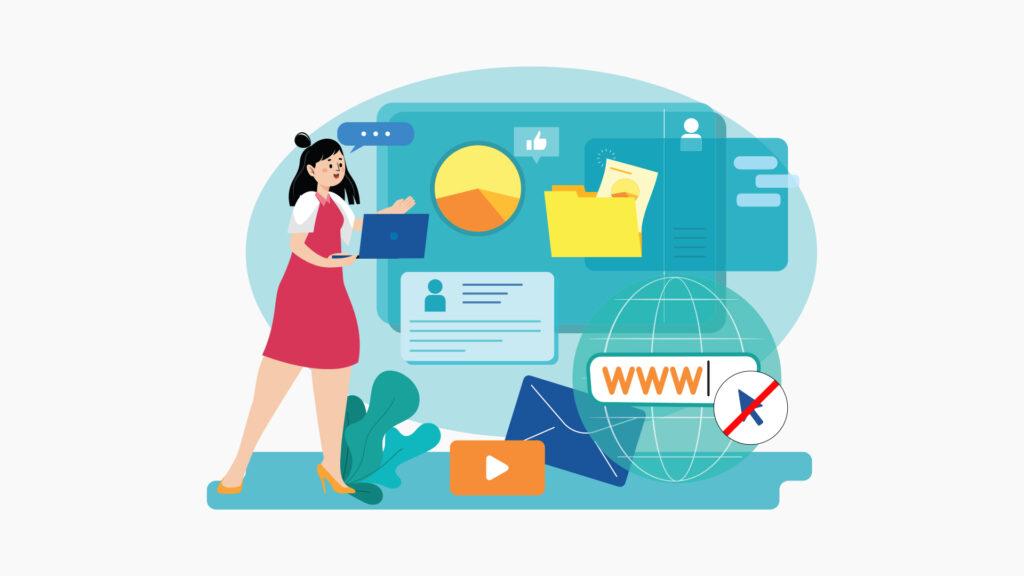
A variety of factors have contributed to an increase in people displaying a “zero-click” trend when using search engines to get information quickly, due to mobile device use; the fact that many mobile users prefer to find information quickly; the availability of numerous rich result formats (including rich snippets, overviews and knowledge panels) which have been created using Artificial Intelligence (AI); and finally, as more searches resolve at the result page rather than going through a series of clicks (from search result links), this changes how users engage with the content, and in turn, requires brands to alter their focus from a traditional click-through model to other methods of obtaining visibility on search engine results pages (SERPs).
What Zero-Click Means for Brands and Publishers
While the decline in traditional click-through rates is worrisome for many traditional online publishers, there is still value to be gained from a zero-click environment. By appearing in answer boxes and/or search engine results pages (SERP) Features, brands can increase their overall brand awareness/recognition/authority.
Additionally, with the emergence of zero-click websites, the majority of brands will need to reconsider their strategy from solely chasing clicks toward exposing their target audiences and building relationships based on trust. A comprehensive SEO strategy for Zero-click that focuses on developing and leveraging these avenues provides brands with opportunities to capitalise on the shift within their respective industries.
Key Signals for Success in a Zero-Click World
To thrive in zero-click conditions, brands must optimise differently. Key signals include:
- Clear, concise content that directly answers common questions.
- Clean structure: headings, bullet lists, and short paragraphs are easy for search engines to parse.
- Use of structured data/schema so search engines better understand your content.
- Authority and clarity so engines trust and cite your content.
These practices support zero-click seo and help your content become eligible for featured snippets, knowledge panels, or AI-powered overviews.
When Zero-Click Backfires
There are disadvantages to achieving zero-click visibility. By nature of the fact that users do not click on the listings to get to the publisher’s site, organic traffic may decrease. Publishers are also losing revenue from page views, conversions, as well as deep-dive engagement on their websites. For instance, a website that ranks high in the search results could receive very deep impressions, yet have less than anticipated click-through rates. Therefore, the new way of thinking will be based on visibility and trust, and not solely on visits. Because of that, companies will be able to adapt and accept new metrics other than just click-through rates.
How to Adapt Your SEO Strategy for Zero-Click
To respond effectively, you need a clear SEO strategy for zero clicks. Some smart tactics:
- Prioritise content that answers complex or multi-step questions rather than trivial facts.
- Offer unique insights, depth or context beyond what search engines might already show.
- Use structured data (FAQ schema, How-To schema, other markup) to help search engines interpret your pages.
- Maintain clear content structure with headings, short paragraphs, bullet lists or numbered lists.
- Focus on building brand authority so even if users don’t click, your brand gets exposure.
These tactics improve chances of appearing in SERP features while preserving brand value.
Measuring Impact Despite Lower Clicks
As you begin to experience higher amounts of zero-click traffic due to the increase of featured snippets in the SERPs, your approach to analytics will need to change. Instead of concentrating only on clicks, you will need to focus on tracking perception of impressions, visibility of featured snippets, brands and direct navigation, brand-related searches or branded searching, as well as tracking overall impressions & visibility as well and tracking how your presence in SERP features affects referrals, return visits and long-term recognition.
This reframing of how you define “success” will provide an alignment adjustment to be in line with the current searcher behaviour of Zero Click SEO Websites.
Industry Example: Who Gains News, Reference, and Authority Sites
“Zero-click” refers to visibility in search results that does not require a click to access your website. These query types typically include those for definitions, brief data points or factual information where Google has produced an instant-answer box (also referred to as a “featured snippet”). Zero-click visibility does not devalue content in this type of query, but rather increases exposure. Though these queries will generate fewer overall visits than traditional organic searches, they can still serve as a catalyst for the brand value of the site through visibility and credibility, and as a driver for shares, re-visits and/or other conversions.
When Traditional Pages Still Matter
There are many types of content for which zero-click is not the appropriate solution. When your goal is to increase consumer interaction (deeper than just making a purchase), you should create standard pages on your website that are designed to drive traffic back to your website and then provide conversion-ready content on those standard pages. A balanced approach between the visibility-first (for snippets) and conversion-ready content will yield the highest level of effectiveness in terms of SEO strategy for Zero Click.
The Role of Expert Help
For companies to navigate this new landscape effectively, they must possess expertise in content structure, Schema markup, user intent, and brand positioning (among other things). A lot of companies will partner with a Digital Marketing Company in Dubai (or elsewhere) to implement a ‘Zero-Click’ Aware Strategy that can be developed based on expert recommendations regarding what types of content should be Optimized for both Clicks and Snippets; creating the appropriate schema markup; monitoring the visibility metrics associated with these components; and, tracking the overall Performance of content beyond mere Page Views.
Final Thoughts: Embrace Zero-Click Without Fear
Zero-click searches are not the end of SEO. They are the start of a new chapter. By rethinking goals, optimising for clarity, authority, and structure, brands can thrive. Zero-click websites can drive visibility, brand awareness, and long-term value even when users don’t click. A smart SEO strategy for zero click, combined with careful execution, lets you stay relevant, trusted, and discoverable in this evolving search landscape.
Related Post
Publications, Insights & News from GTECH